Case study · AI automation
An AI product autopilot that does the research, while a person keeps the final say.
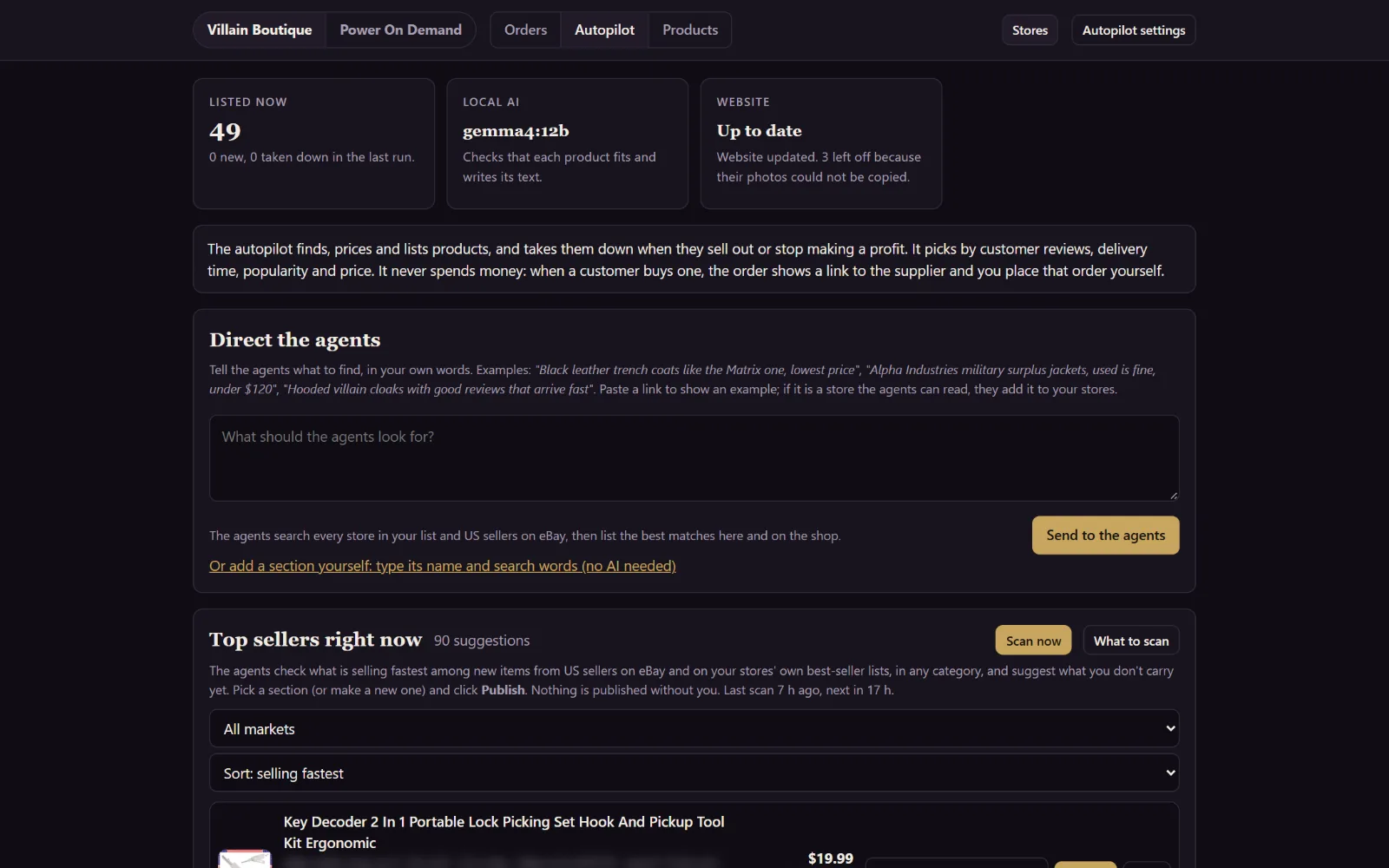
We built a set of AI agents that find products from supplier stores, check that they fit, rank them, price them by formula and write their listings. They run on open models on a single home computer, and nothing goes live until the store owner clicks Publish.
The challenge
Product research doesn't scale by hand
Adding one product to an online store means comparing suppliers, reading reviews, checking delivery times, working out a price that still makes a profit after fees, then writing a description and search text. Suppliers change their prices and stock all the time, so listings quietly go out of date or start losing money.
For a small store, that's hours of work for every product, before a single sale.
Constraints we set
- No ongoing AI bills. It has to run on hardware we already own.
- The owner stays in control. No product goes live, and no money is spent, without a person.
- Stay within the payment processor's rules. Restricted products can never be listed.
- Protect supplier relationships. Customers never see where a product comes from.
- No invented facts. Product text can only use what the supplier states.
The solution
Split the job between code, AI and a person
Each part of the work goes to whatever does it most reliably. Code handles data and math. The AI handles language and judgment. A person handles decisions.
Data & math
Reads supplier catalogs, live prices and stock. Scores popularity, reviews and delivery time. Sets prices with a fixed formula: cost plus markup, with a minimum profit after card fees.
Language & judgment
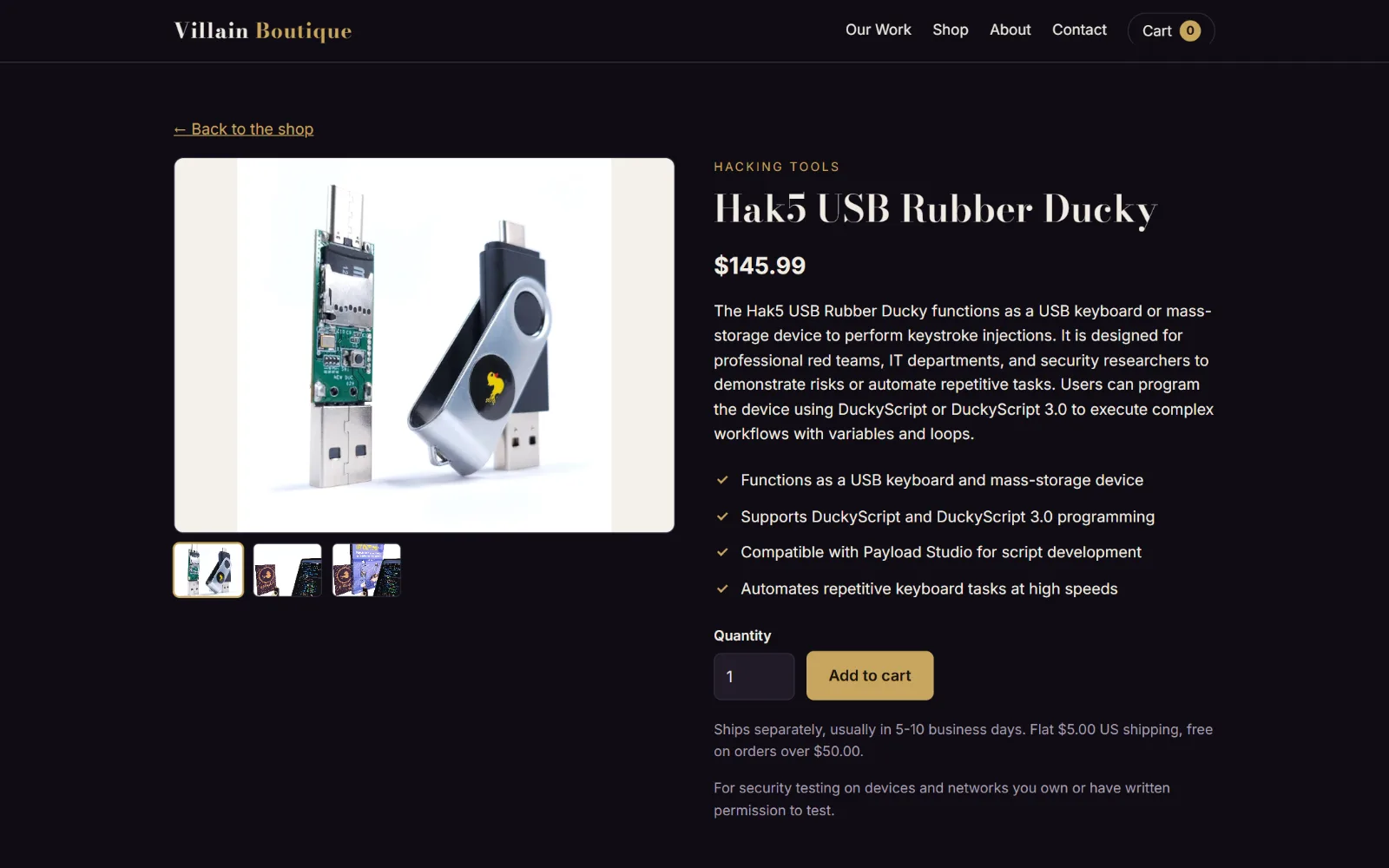
A local model confirms each product really fits its store section, and writes the name, description, bullet points and SEO text from the supplier's facts only.
Decisions
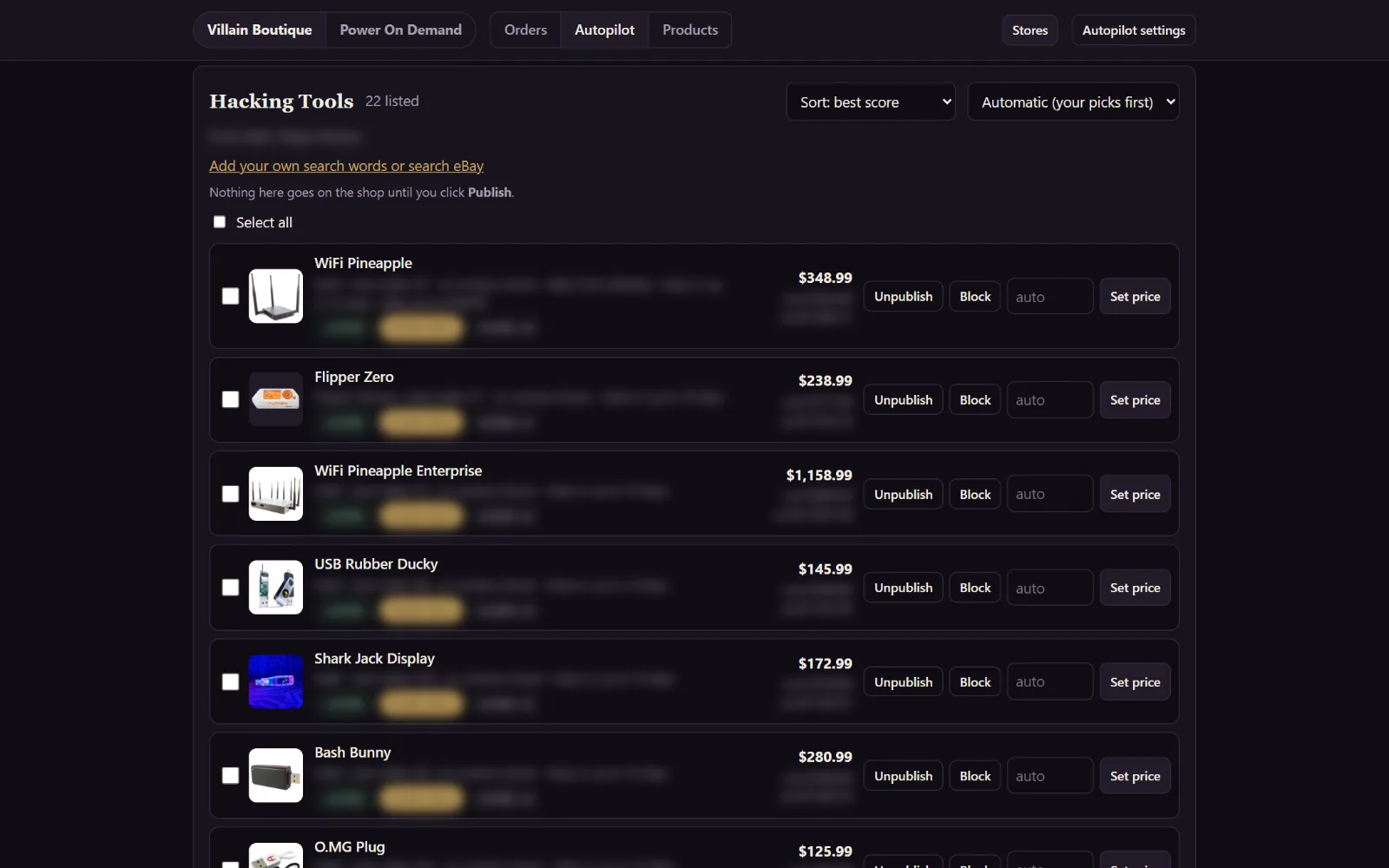
The owner reviews a ranked shortlist and clicks Publish. They can also block a product, override a price or take a listing down at any time.
What happens on every run
- Find. Reads each supplier store's public product list, with live prices and stock.
- Check. The local AI confirms each candidate belongs in its section: a complete product, not a spare part, gift card or download.
- Rank. Scores each product on best-seller position, real eBay sales, star ratings and delivery time.
- Price. A fixed formula sets the price from the real cost. The AI is never allowed to set one.
- Approve. The owner sees the shortlist in a desktop dashboard and clicks Publish on the ones they want.
- Write. The AI writes the listing in the store's own words.
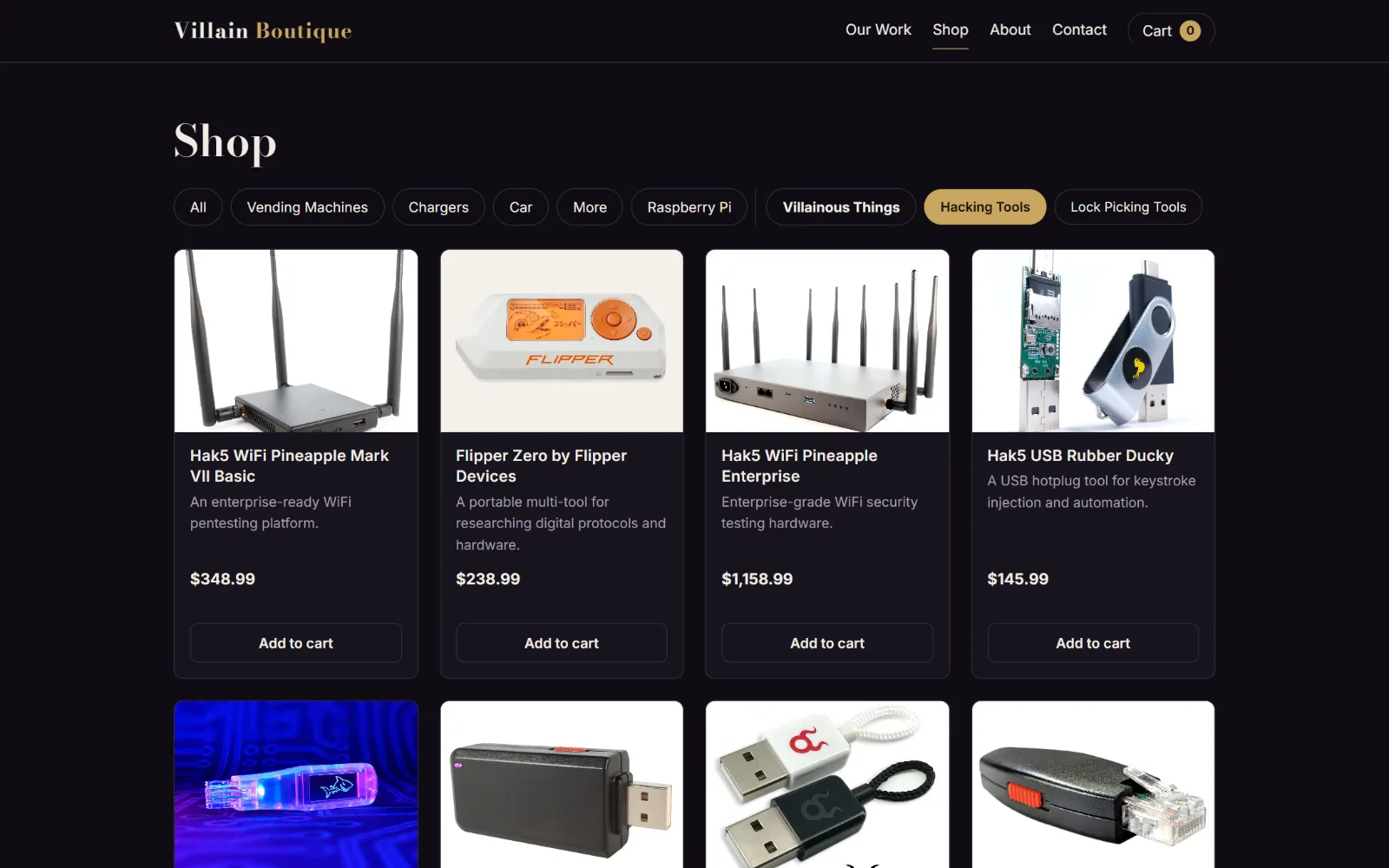
- Publish. The list is sent to the website over a signed connection (HMAC), so nothing else can change the catalog. Product photos are copied onto the site, so customers never load anything from a supplier.
- Re-check. Every run re-checks price and stock and takes down anything sold out or no longer profitable.
The product
The owner's dashboard
A small desktop app on the owner's own computer. Supplier names, seller names, contact details and costs are blurred in these images.

What customers see
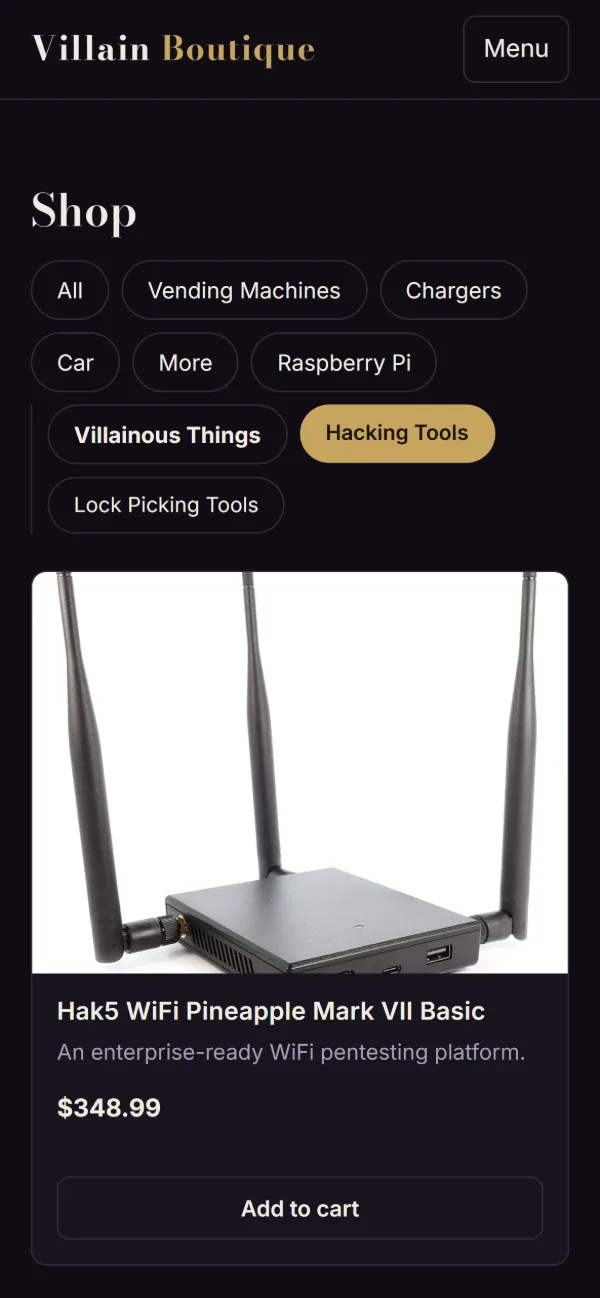
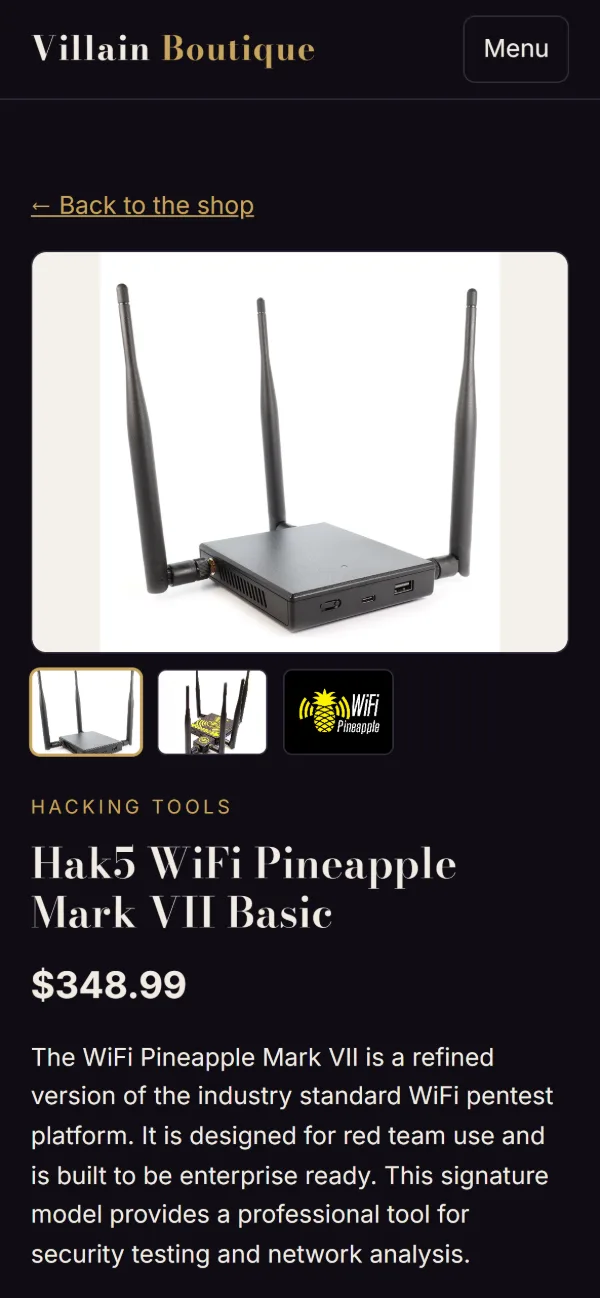
The products appear in the shop next to everything else, with photos hosted on our own site and descriptions written by the AI from the supplier's facts.
Guardrails
Rules live in code, not in a prompt
A prompt can be ignored or misread. A rule in code can't. Everything that protects money, customers or the store's standing is enforced by the program itself.
- Approval is required before anything is published. It's a setting that is on by default.
- Prices come only from the formula: cost plus markup, a minimum profit after card fees, and a check against market price.
- Restricted products, such as weapons, are refused in code, so the store stays within its payment processor's rules.
- Supplier names, links and marketplace names are scrubbed from all customer-facing text.
- Product photos are copied to our own server. Products without photos are left off rather than shown with a supplier's link.
- Products not re-checked within 72 hours are hidden automatically.
- The website only accepts catalog updates signed with a shared secret.
Results
Where it stands
Live and running
46 products across Hacking Tools, Raspberry Pi, RF & Radio and Lock Picking are on sale. A routine re-check of the whole catalog takes about a minute.
The AI writes almost all of it
64 of 67 product write-ups so far came from the local model. The other 3 used a plain fallback template, because the AI was switched off when they were made.
Not measured yet
Sales from autopilot products, and time saved compared with doing it by hand. These are the next numbers we'll track. We'd rather say so than guess.
Tools and models
What we learned
What went wrong, and what we changed
Local AI shares the computer
What happened: in the first test, every AI check timed out after 5 minutes because the graphics card was busy running a video game.
What changed: we timed both models with the card free. A check takes about 14 seconds, and the run falls back to keyword checks and a plain template if the AI isn't available.
Smaller isn't always the better trade
What happened: the smaller 4B model was expected to be faster. In a quick comparison it was slower, and it got a simple product check wrong.
What changed: the larger Gemma 4 12B model stays the default. The choice was based on a test, not an assumption.
A site update wiped live data
What happened: a website upload package included an empty product file, which replaced the live list. The same update also dropped the server's settings file and took checkout offline.
What changed: upload packages now leave out live data and settings, and every upload is followed by a check of checkout and the product list.
Work has to fit the server's time limit
What happened: copying dozens of product photos took longer than the hosting provider allows for one request, so the first restore attempt failed.
What changed: the website now copies photos in 40-second batches, and the dashboard automatically sends the next batch.
What's next
- Track sales and margin for autopilot products against products added by hand.
- Retry the 3 products whose supplier photos couldn't be copied.
- Fill the sections that have no products yet (disguises, capes and coats) with suppliers that publish their catalogs.
More work
Next case study

KillCalculator.com: a privacy-first field data app
How real usage data turned a ballistic solver into a one-button environmental data tool that stores nothing, and runs its AI on the user's own device.
Read the case study →Also live: Foxhole Kill Calculator (a fan-made game tool) and EW.KillCalculator (an open-source data portal). See all work.
Want something like this for your business?
Tell us the task that takes up your week. We'll tell you honestly whether AI fits, what it would take and what it would cost.
villainboutique.com/case-autopilot.html · villainboutique.com/contact.html